B03. How to Read a Floor Plan Before Buying Property
Perspective on Understanding the Drawing That Shapes Everyday Life
Important Drawing You Will Never Live Without
When buyers view a property, their attention naturally goes to the photographs.
The kitchen looks impressive. The living room feels spacious. The bedrooms are beautifully furnished, and every image has been carefully composed to create an emotional connection.
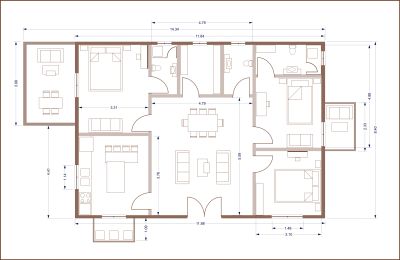
The floor plan, by comparison, is often overlooked. It usually appears as the final page of a brochure, glanced at briefly before the focus returns to finishes, furniture and styling. Yet from an architect's perspective, the floor plan is often the single most important document in the entire buying process. Unlike photographs, it is not trying to persuade you. It simply reveals how the home has been planned.
Long after furniture has been replaced, walls have been repainted and trends have changed, the floor plan will continue shaping the way you move, gather, work and live every single day. Learning to read a floor plan is therefore not about understanding technical drawings.
It is about understanding the life those drawings are predicting.
Every Line Represents a Decision
A floor plan is much more than a collection of rooms. Every wall, doorway and window represents a decision that will influence daily life. A doorway determines how naturally people move through the home. A window shapes natural light and ventilation. The position of a staircase influences how different parts of the house connect, while the relationship between living spaces determines whether family life feels connected or fragmented.
Architects rarely see floor plans as technical documents. They see them as stories.
A well-planned home tells the story of a family moving effortlessly through everyday life. Morning routines feel organised. Meals are prepared comfortably. Children and parents can use different spaces without constantly interrupting one another. Entertaining feels natural because the house quietly supports it. Poor planning tells a different story. The compromises may be small, but they are repeated every day.
That is why the quality of a floor plan becomes increasingly apparent after moving in—not during the viewing.
Read the Connections, Not Just the Rooms
One of the most common mistakes buyers make is evaluating rooms individually.
Instead, study how they relate to one another.
Can someone move naturally from the entrance to the living area? Is the kitchen positioned to support both everyday meals and entertaining? Are private bedrooms separated appropriately from social spaces? Does the home feel connected without sacrificing privacy?
Architecture is rarely about individual rooms. It is about the relationship between them.
When those relationships have been carefully considered, movement through the home feels intuitive. Family members can share the house comfortably without constantly crossing paths, and everyday routines unfold with very little effort.
Good circulation is rarely noticed. Its absence is.
Every Square Metre Should Justify Its Existence
Many buyers compare homes by size. Architects compare them by usefulness.
Two homes may offer exactly the same floor area while feeling completely different because one has been planned with far greater intention. Thoughtful homes minimise wasted circulation, integrate storage naturally and ensure that each room contributes meaningfully to everyday life. Furniture fits comfortably, movement remains unobstructed and spaces perform more than one role where appropriate.
Poor planning often disguises itself as generosity. Long corridors consume valuable floor area without improving daily life. Oversized entrance halls create a dramatic first impression while contributing little to the experience of living in the home. Awkward corners become permanent reminders that the layout was never fully resolved.
The best homes are not necessarily the largest. They are the ones where every square metre earns its place.
Imagine Everyday Life, Not an Empty Drawing
A floor plan becomes far more meaningful when you stop looking at lines and begin imagining life.
Picture the dining table during a family dinner. Imagine preparing breakfast while children get ready for school. Think about where shoes, bags and groceries will be placed when everyone arrives home. Can two people move comfortably through the kitchen? Is there enough space around the bed without blocking circulation? Does the living room encourage conversation as naturally as it accommodates a television?
These are ordinary moments. That is precisely why they matter.
A successful home is not designed around exceptional occasions. It is designed around ordinary life.
Will the Floor Plan Still Work Ten Years from Now?
The best floor plans are not only functional. They are resilient.
Families change. Children grow older. Careers evolve. Working from home may become permanent, and ageing parents may eventually require additional support.
A thoughtfully planned home should adapt to these changes without demanding major structural alterations. Can a guest bedroom become a study? Could a family room evolve into a library or an additional bedroom? Does the layout remain flexible enough to support different stages of life?
Adaptability is one of the least visible qualities of good architecture. Yet it is one of the reasons some homes remain satisfying for decades while others quickly begin to feel restrictive.
The Floor Plan Reveals What Photographs Cannot
Property photographs are designed to create emotion. A floor plan creates understanding. Photographs show how a home looks. The floor plan explains how it works.
This distinction is particularly important when viewing beautifully renovated properties. Stylish interiors can temporarily disguise awkward planning, while carefully staged furniture often makes rooms appear more generous than they truly are.
The floor plan removes those distractions. It reveals the proportions of the rooms, the quality of circulation, the relationship between spaces and whether natural light is likely to reach the areas where daily life actually happens.
For architects, it is often the most revealing document in the entire buying process.
Read the Architecture Before You Fall in Love with the Interior
Most people buy homes emotionally and justify the decision logically. That is perfectly natural. Homes should inspire emotion.
But before falling in love with the marble kitchen, bespoke joinery or beautifully styled living room, spend time understanding the architecture that sits beneath those finishes.
Study the floor plan carefully. Ask whether the layout supports the way you live. Consider how the home will function on an ordinary weekday rather than imagining a special occasion. Because while renovation changes appearance, the floor plan quietly shapes experience.
Final Thoughts
The most successful property decisions rarely begin with colour palettes, expensive finishes or beautifully styled interiors. They begin with understanding the architecture.
A floor plan is not simply a technical drawing. It is a blueprint for everyday life. It predicts how people will move through the home, where they will gather, how natural light will shape different spaces and whether the house will continue supporting its owners as life changes over time. Learning to read a floor plan is therefore one of the most valuable skills any property buyer can develop. It shifts attention away from decoration and towards the architectural decisions that continue creating value long after trends have changed.
Beautiful interiors may persuade you to arrange another viewing. A thoughtful floor plan may persuade you to build a life there. Because beautiful homes are admired. The right homes are lived in.
Key Takeaways
- Property evaluation should focus on how a home performs, not just how it appears during a viewing.
- Good decisions come from understanding both visible and invisible qualities of a property.
- Evaluating a property's long-term suitability reduces the risk of costly compromises.
- Independent thinking often reveals opportunities and limitations that are easy to overlook.
- Better evaluation leads to better property decisions.
Frequently Asked Questions
How do professionals evaluate a property before buying?
Professionals assess the property's architecture, layout, circulation, orientation, natural light, flexibility, renovation potential and how well it supports the intended lifestyle—not just its market value or presentation.
What is the biggest mistake people make when evaluating a property?
Many buyers focus on finishes, styling and first impressions while overlooking planning, functionality and the long-term experience of living in the home.
Should I get a professional opinion before buying a property?
For high-value purchases, an independent assessment can provide clarity about the property's strengths, limitations and suitability before significant financial commitments are made.
Can I evaluate a property during one viewing?
A single viewing rarely reveals everything. Revisiting the property, studying the floor plan and considering how everyday life will unfold often lead to better decisions.
What is the purpose of a Property Decision Review™?
It provides an independent evaluation of a property's long-term suitability before purchase, helping buyers make one of life's biggest financial decisions with greater clarity and confidence.
Related Insights
Learn how to evaluate a property beyond its appearance: