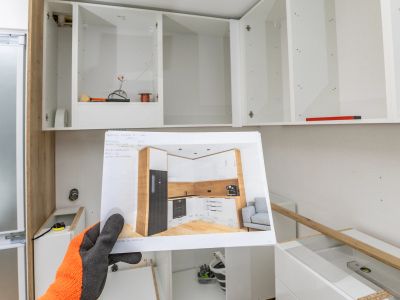
B06. The Biggest Renovation Mistakes
Most Renovation Problems Begin Long Before Construction Starts
Renovation Does Not Begin with Demolition
For many homeowners, renovation begins with inspiration. They save photographs from magazines and social media, compare materials, explore colour palettes and imagine how different their home will look once construction is complete. It is an exciting process, particularly when the renovation marks the beginning of a new chapter in life.
Yet the success of a renovation is rarely determined by the quality of the finishes or the craftsmanship on site. It is determined much earlier. Long before the first wall is removed, the most important decisions have already been made. Those decisions shape the layout, the priorities, the budget and ultimately the experience of living in the home.
When a renovation falls short of expectations, the problem is often not the construction. It is that the wrong problems were solved.
Renovate the Problem, Not the Symptom
One of the most common mistakes homeowners make is deciding what they want to change before understanding why the house feels unsatisfactory.
The conversation often begins with solutions.
"We need a bigger kitchen."
"Let's remove this wall."
"We need more storage."
These may all become appropriate design responses.
But they remain responses.
The real question comes first.
What is the house actually struggling to do?
Does the family naturally gather in one room while other areas remain unused? Does the layout interrupt movement through the home? Is the issue really the size of the kitchen, or is it the relationship between the kitchen and the rest of the house?
Thoughtful renovation begins with diagnosis before design. Because solving the wrong problem simply creates a more expensive version of the same home.
Design Around Everyday Life, Not Design Trends
Every decade introduces new design trends. Open shelving replaces upper cabinets. Kitchen islands become larger. Colours, materials and decorative details constantly evolve. There is nothing wrong with embracing contemporary design. Problems arise when trends become the reason for renovating.
A home should first respond to the people who live there. The most successful renovations begin with ordinary life rather than extraordinary photographs. They consider where children complete homework, how meals are prepared, where guests naturally gather and how family members move through the home every day.
Design trends inevitably change. The way a family lives changes far more slowly.
Homes designed around everyday behaviour continue feeling relevant long after fashionable interiors have begun to date.
Think About the House as a Whole
Many renovations are approached room by room. The kitchen is redesigned first. Bathrooms are updated later. Living spaces are renovated when time and budget allow. While this phased approach is often practical, it can unintentionally produce a collection of successful rooms that never become a successful home.
Architecture is a connected system. Every decision influences something else.
Expanding the kitchen changes its relationship with the dining area. Opening the living room affects circulation throughout the house. Relocating a staircase influences privacy, storage and the distribution of natural light. The best renovations begin with a complete understanding of the home before individual rooms are redesigned.
Because people do not live in isolated rooms. They live in the relationships between them.
Invest in the Experience, Not Just the Appearance
When budgets become tight, homeowners naturally prioritise the elements that are most visible. Premium stone, bespoke joinery, designer lighting and luxury finishes all create an immediate impression. Yet the improvements that have the greatest influence on everyday life are often the least visible.
Better circulation.
More natural daylight.
Practical storage where it is genuinely needed.
A stronger relationship between indoor and outdoor spaces.
Rooms that are easier to use because they have been planned more thoughtfully.
Visitors may remember the materials. Homeowners remember how the house feels.
The most valuable renovations improve the experience of living, not simply the appearance of the home.
More Space Is Not Always the Answer
When a house feels constrained, the instinctive response is often to make it bigger.
Walls come down. Extensions are added. Rooms become larger in pursuit of openness.
Additional space can certainly improve a home. But it cannot compensate for poor planning.
Many relatively modest homes feel remarkably generous because every square metre has been carefully considered. Equally, larger homes often continue feeling inefficient because the relationships between spaces have never been properly resolved.
The objective of renovation is not to maximise floor area. It is to maximise how effectively the existing space supports everyday life. Planning creates value. Size alone does not.
Design for the Family You Will Become
A renovation should not only solve today's problems. It should anticipate tomorrow's.
Children become teenagers. Careers evolve. Parents may one day move in. Working from home becomes permanent. The way a family uses its home inevitably changes over time. Flexible rooms, adaptable layouts and thoughtful storage allow the house to evolve naturally without requiring another major renovation a few years later.
The most successful projects are not designed for a single moment in life.
They are designed to remain useful through many stages of it.
Renovation Cannot Replace Architecture
Renovation is remarkably powerful. But it also has limits. Finishes can be replaced. Kitchens can move. Bathrooms can be transformed.
Architecture is far less flexible.
Ceiling heights, structural systems, orientation, proportions, natural light and the relationship between the building and its site establish qualities that are often difficult—or impossible—to change completely. Some homes possess excellent architectural foundations that simply need thoughtful refinement. Others continue demanding compromise regardless of how much money is invested because the underlying planning was never right.
Recognising that distinction before renovation begins is often the difference between a successful investment and an expensive disappointment.
Final Thoughts
The biggest renovation mistakes rarely happen during construction. They happen much earlier, when decisions are made without first understanding the house, the people who live there and the life the renovation is meant to support. The finest renovations are not defined by dramatic before-and-after photographs. They are recognised by something far more meaningful.
Daily life becomes easier. Movement feels more intuitive. Spaces support ordinary routines without demanding constant adjustment. The house no longer asks the family to adapt to it. It quietly adapts to the family instead. Because the purpose of renovation is not simply to create a different home. It is to create a better way of living.
And that transformation always begins with better decisions, long before construction starts.
Key Takeaways
- Most renovation problems begin with decisions, not construction.
- A successful renovation starts with understanding how you want to live—not by selecting finishes or materials.
- Rushing into construction often leads to unnecessary variations, delays and long-term compromises.
- Investing more time in planning creates better outcomes and reduces costly mistakes.
- The most successful renovations are those where important decisions are resolved before work begins.
Frequently Asked Questions
What is the biggest mistake homeowners make during a renovation?
The most common mistake is beginning construction before the design has been fully resolved. Changes made after work starts are often more expensive and disruptive.
How can I avoid costly renovation mistakes?
Spend more time on planning, review your drawings carefully, explore alternatives before construction and make decisions based on long-term functionality rather than short-term trends.
Why do renovation budgets often increase?
Budgets commonly grow because of late design changes, unforeseen site conditions and decisions that were not fully considered before construction began.
Should I finalise my design before starting construction?
Yes. The more decisions that are resolved before construction, the smoother the project is likely to be and the fewer costly variations you will encounter.
Can renovation mistakes be corrected later?
Some can, but many planning decisions become difficult or expensive to change once construction is underway. Early review is almost always more effective.
Related Insights
Avoid costly mistakes before construction begins: