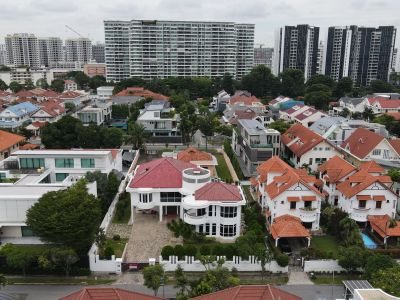
C02. Before Buying a Landed Property in Singapore
The Best Landed Homes Are Chosen for Their Potential, Not Just Their Appearance
Before Buying a Landed Property in Singapore
For many homeowners, buying a landed property represents a significant milestone. It offers greater privacy, more generous living spaces and the opportunity to create a home that reflects the way a family truly wants to live. Compared to apartment living, the appeal is obvious. More land, more flexibility and, perhaps most importantly, more freedom.
Yet buying a landed property is fundamentally different from buying a condominium.
A condominium is largely evaluated as a completed product. A landed property is something far more complex. You are not simply buying a house. You are buying the land beneath it, the opportunities it presents and the limitations it quietly carries.
Two houses may appear remarkably similar during a viewing, yet offer completely different possibilities for renovation, extension or future redevelopment. One may continue adapting beautifully over the next thirty years. The other may reach its limits far sooner than expected.
The difference is rarely obvious during the first inspection. It becomes clear only when the property is understood as more than a building.
A Note Before You Continue
This article focuses on evaluating landed property from an architectural, functional and lifestyle perspective. Financial, legal and tax considerations remain equally important and should always be discussed with your lawyer, mortgage adviser and property agent before making a purchase. My focus is helping you understand whether a landed property genuinely supports the life you hope to build.
The House You See Today Is Only Part of What You Are Buying
When buyers first walk through a landed property, it is natural to notice the visible elements. The façade, renovated interiors, kitchen, bathrooms and landscaping immediately influence first impressions.
What deserves equal attention is often far less visible. The shape of the site. Its orientation. The relationship to neighbouring properties. The amount of natural light it receives throughout the day. The privacy it offers. The way the house sits on the land.
These characteristics quietly influence almost every future decision.
An older home on an exceptional site may provide extraordinary opportunities for thoughtful renovation or redevelopment. Conversely, a beautifully renovated house on a constrained site may offer very little flexibility once your family's needs begin to change. Experienced buyers therefore spend as much time understanding the site as they do evaluating the existing house.
Buildings evolve. Land rarely does.
Every Landed Property Tells a Story About Its Future
One of the greatest advantages of owning a landed home is the possibility of change.
Unlike many apartments, landed houses can often be adapted as families grow, lifestyles evolve and priorities shift. Additional living areas may be created, indoor and outdoor spaces can be reimagined and future generations may eventually inherit or transform the property. For this reason, it is valuable to look beyond the home as it exists today.
Instead, imagine what it could become. Could the layout be improved without excessive structural intervention? Is there potential for better connections between indoor and outdoor spaces? Could natural light be introduced more effectively? Would the property continue serving your family if circumstances changed ten or twenty years from now?
The strongest landed homes are not necessarily those that require no work.
They are the ones that continue offering possibilities long after they have been purchased.
The Best Sites Quietly Support the Way You Live
No two landed properties are identical.
A corner terrace behaves differently from an intermediate terrace. A semi-detached house offers different opportunities from a detached bungalow. Changes in orientation, topography, neighbouring buildings and surrounding greenery all influence how comfortably a home performs throughout the year. These qualities rarely appear in property listings. Yet they quietly shape everyday life.
Morning sunlight may transform the experience of a kitchen. Thoughtful orientation can improve natural ventilation and reduce heat gain. Well-positioned outdoor spaces encourage family gatherings, while carefully considered privacy allows generous glazing without feeling overlooked. These are not dramatic design features.
They are the quiet architectural decisions that continue improving everyday living long after decorative finishes have been forgotten.
The finest landed homes often feel remarkably effortless because the site itself supports the architecture rather than working against it.
Renovation Should Begin with Understanding, Not Assumptions
Many buyers purchase older landed houses expecting to renovate extensively. This can be an excellent opportunity. It can also lead to unnecessary disappointment if the property's underlying constraints are not properly understood beforehand.
Structural systems, planning guidelines, setbacks, existing services and site conditions all influence what can realistically be achieved. Some homes offer remarkable flexibility. Others require significant compromise despite generous renovation budgets.
Successful renovation therefore begins long before demolition starts. It begins with understanding what should remain, what can be improved and what should never have been assumed possible in the first place. The most valuable renovation decisions are often made before the property has even been purchased.
The Best Landed Homes Continue Rewarding Their Owners for Decades
Unlike many purchases, a landed property is rarely chosen for only today's circumstances. Families evolve. Children become adults. Parents may eventually live together under one roof. Careers change. Working from home becomes permanent.
Lifestyle priorities naturally shift over time. The finest landed homes adapt quietly to these changes rather than asking their owners to continually adapt to the house.
This long-term flexibility is one of the greatest advantages of landed living. It is also one of the least obvious during a property viewing.
Homes that continue serving their owners gracefully over many decades are rarely remembered because they looked impressive on the day they were purchased.
They are remembered because they continued supporting the lives that unfolded within them.
Final Thoughts
Buying a landed property is about far more than acquiring a larger home.
It is about recognising the long-term potential of both the house and the land beneath it.
While location, price and architectural character will always influence a purchasing decision, the homes that continue bringing lasting satisfaction are usually those that offer something deeper.
They provide flexibility.
They respond to changing lives.
They create opportunities rather than limitations.
The greatest value of a landed property is rarely what it is today.
It is what it quietly allows it to become over the years ahead.
Key Takeaways
- Buying a landed property means evaluating both the house and the land.
- Site characteristics often have a greater long-term impact than interior finishes.
- The best landed homes continue offering opportunities for adaptation as life changes.
- Architectural potential should be considered alongside current presentation.
- Successful renovations begin with understanding the site's opportunities and constraints before making design decisions.
- Thoughtful evaluation before purchasing often leads to better long-term outcomes.
Frequently Asked Questions
What should I consider before buying a landed property in Singapore?
Look beyond the existing house. Consider the site's orientation, natural light, privacy, flexibility, renovation potential and how well the property will continue supporting your family's future needs.
Is buying a landed property very different from buying a condominium?
Yes. With a landed property, you are evaluating both the building and the land. Site characteristics, planning potential and long-term adaptability play a much greater role in the decision.
Should I buy an older landed house if I plan to renovate it?
Older homes can provide excellent opportunities, but it is important to understand their structural condition, planning constraints and architectural potential before committing to the purchase.
Can every landed property be extended or rebuilt?
Not necessarily. Future changes depend on planning regulations, site conditions, structural considerations and authority approvals. Professional advice should always be sought before making assumptions about redevelopment potential.
Why is independent architectural advice valuable before buying a landed home?
An independent review can identify opportunities and constraints that are not immediately visible during a viewing, helping buyers make more informed long-term decisions before committing to a significant investment.
Related Insights
Planning to buy a landed home? Explore these next: