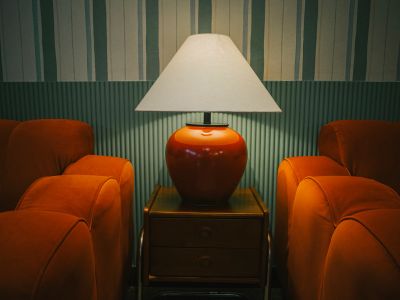
D03. 15 Lighting Tips for a Better Home
Lighting does far more than brighten a room. It influences how spacious a home feels, how comfortably you work, how well you relax and even how colours and materials are perceived. Yet lighting is often treated as a finishing touch rather than an integral part of the design process. By planning it early, you can create a home that feels warmer, more functional and more enjoyable to live in. These practical tips will help you make better lighting decisions before construction begins.
1. Start With Natural Light
Quick Tip: Consider how daylight enters each room before planning artificial lighting.
Why it matters: Natural light changes throughout the day and should be the foundation of your lighting design, not an afterthought.
2. Think in Layers, Not Light Fixtures
Quick Tip: Combine ambient, task and accent lighting instead of relying on a single ceiling light.
Why it matters: Layered lighting creates depth, flexibility and a more comfortable atmosphere.
3. Light the Activity, Not Just the Room
Quick Tip: Provide focused lighting where you cook, read, work, shave or apply makeup.
Why it matters: Every activity has different lighting needs. A single light rarely suits them all.
4. Choose Warm Lighting for Spaces Where You Relax
Quick Tip: Living rooms, bedrooms and dining areas generally feel more inviting with warm white lighting.
Why it matters: A softer colour temperature creates a calmer and more welcoming environment.
5. Use Brighter Lighting Where You Need to See Clearly
Quick Tip: Kitchens, studies, laundry areas and utility spaces usually benefit from brighter illumination.
Why it matters: Better visibility makes everyday tasks easier, safer and more comfortable.
6. Plan Lighting Around Your Furniture Layout
Quick Tip: Finalise the position of your dining table, sofa, bed and work desk before deciding where lights should go.
Why it matters: Lighting should support how a room is used, not simply where the ceiling allows.
7. Reduce Glare Wherever Possible
Quick Tip: Position lighting so it doesn't shine directly into your eyes or reflect off televisions, computer screens or glossy surfaces.
Why it matters: Comfortable lighting should be noticed for how it feels, not because it causes discomfort.
8. Add Task Lighting in the Kitchen
Quick Tip: Ensure worktops and food preparation areas are well illuminated, particularly beneath overhead cabinets where appropriate.
Why it matters: Good task lighting reduces shadows and makes cooking more enjoyable.
9. Don't Overlook Wardrobes
Quick Tip: Ensure wardrobes are well lit so clothes are easy to see, especially in deeper cabinets.
Why it matters: Good wardrobe lighting improves everyday convenience and reduces frustration.
10. Make Bedside Lighting Easy to Use
Quick Tip: Position bedside lights and switches within comfortable reach.
Why it matters: Small details often have the biggest impact on everyday comfort.
11. Highlight Features Selectively
Quick Tip: Use accent lighting to draw attention to artwork, shelving, textured walls or architectural details.
Why it matters: Not everything needs to be illuminated equally. A few well-chosen highlights often create greater visual impact.
12. Plan for Evening Living
Quick Tip: Think about how you'll use each room after sunset, not just during the day.
Why it matters: The right evening lighting creates a home that feels relaxing, comfortable and inviting.
13. Choose Fixtures That Are Easy to Maintain
Quick Tip: Consider how easily light fittings can be cleaned or lamps replaced, especially in areas with high ceilings.
Why it matters: Practical choices make long-term maintenance much simpler.
14. Test Your Lighting Before Handover
Quick Tip: Switch on every light before your renovation is completed to check brightness, positioning and switching arrangements.
Why it matters: It's much easier to make adjustments before the project is finished.
15. Design for Atmosphere, Not Brightness
Quick Tip: Aim for lighting that complements the mood and purpose of each room, rather than making every space as bright as possible.
Why it matters: The most memorable homes aren't necessarily the brightest—they're the ones that feel the most comfortable.
Quick Takeaway
Good lighting isn't measured by the number of fixtures or the brightness of a room. It's measured by how naturally it supports the way you live. When lighting is planned with purpose, it enhances comfort, improves functionality and creates a home that feels welcoming at every hour of the day.
Related Quick Design Guides
Create a brighter and more comfortable home: