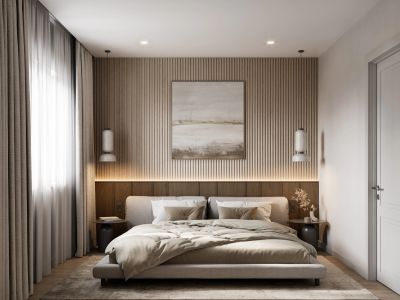
D09. 15 Ways to Make a Small Home Feel Bigger
Many homeowners believe they need a larger home when, in reality, they need a better-planned one. A sense of spaciousness isn't determined by floor area alone. It's influenced by how a home is organised, how natural light moves through it, how furniture is arranged and how easily you can move from one space to another. These practical tips will help your home feel more open, comfortable and enjoyable to live in.
1. Start With Your Lifestyle, Not Your Floor Plan
Quick Tip: Think about how you use your home before deciding what furniture or storage you need.
Why it matters: Every unnecessary item occupies valuable space. Designing around your lifestyle creates a home that feels lighter and more purposeful.
2. Let Natural Light Travel
Quick Tip: Avoid placing tall cabinets or bulky furniture where they block windows or daylight.
Why it matters: Natural light makes rooms feel brighter, larger and more connected.
3. Keep the Floor as Visible as Possible
Quick Tip: Choose furniture that allows you to see more of the floor beneath it where practical.
Why it matters: Seeing a continuous floor surface creates the impression of a larger room.
4. Simplify the Colour Palette
Quick Tip: Use a restrained palette that flows naturally from one room to another.
Why it matters: Too many contrasting colours can make a home feel visually fragmented.
5. Reduce Visual Clutter
Quick Tip: Keep everyday items organised and use closed storage where appropriate.
Why it matters: A tidy home naturally feels calmer and more spacious.
6. Choose Furniture That Fits the Room
Quick Tip: Select furniture that suits the scale of the space rather than buying the largest pieces available.
Why it matters: Well-proportioned furniture improves circulation and makes rooms feel more comfortable.
7. Don't Fill Every Wall
Quick Tip: Leave some walls free from cabinetry or decoration.
Why it matters: Empty space allows the eye to rest and helps a room feel more open.
8. Create Clear Walkways
Quick Tip: Arrange furniture so movement through the home feels natural and uninterrupted.
Why it matters: Good circulation makes a home feel more spacious than its actual size.
9. Think About Sightlines
Quick Tip: Consider what you see when entering each room and avoid blocking important views.
Why it matters: Longer, uninterrupted views create a stronger sense of depth.
10. Choose Multi-Functional Furniture Carefully
Quick Tip: Look for furniture that serves more than one purpose without adding unnecessary bulk.
Why it matters: Thoughtful flexibility can reduce the number of furniture pieces needed.
11. Use Storage to Hide, Not Display
Quick Tip: Reserve open shelving for a few meaningful objects and store everyday belongings behind closed doors.
Why it matters: Less visual distraction helps rooms feel calmer and larger.
12. Keep Window Furnishings Light and Simple
Quick Tip: Choose curtains or blinds that maximise daylight while providing the privacy you need.
Why it matters: Bright, naturally lit rooms almost always feel more spacious.
13. Create Visual Continuity
Quick Tip: Use consistent flooring and complementary finishes wherever practical.
Why it matters: Fewer visual interruptions help the home feel like one connected space.
14. Design Every Square Metre With Purpose
Quick Tip: Make sure every area has a clear function rather than filling spaces with furniture "just because."
Why it matters: Purposeful design often creates a greater feeling of spaciousness than simply reducing furniture.
15. Remember That Spaciousness Is a Feeling
Quick Tip: Focus on light, proportion, organisation and flow before thinking about decoration.
Why it matters: The homes that feel the largest aren't always the biggest—they're the ones where every design decision supports everyday living.
Quick Takeaway
Making a home feel larger isn't about creating the illusion of space. It's about designing with intention. When natural light, circulation, storage and furniture work together, even a modest home can feel calm, generous and comfortable. Good design doesn't change the size of your home—it changes the way you experience it.
Related Quick Design Guides
Make every square metre work harder: