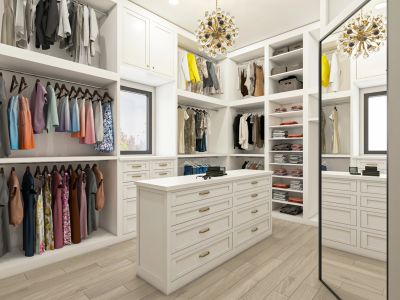
D06. 15 Wardrobe Design Tips Homeowners Should Know
A wardrobe is one of the most frequently used pieces of built-in furniture in a home. Yet many wardrobes are designed around standard cabinet dimensions rather than the people who use them. A well-planned wardrobe should make getting dressed feel simple. It should keep your belongings organised, make everything easy to find and adapt as your lifestyle changes. These practical tips will help you create a wardrobe that's functional, organised and built for everyday living.
1. Start With Your Clothes, Not the Cabinet
Quick Tip: Before designing your wardrobe, take stock of what you own—long dresses, shirts, folded clothes, handbags, shoes and accessories.
Why it matters: A wardrobe should be designed around your belongings, not a standard internal layout.
2. Separate Hanging, Folding and Drawer Storage
Quick Tip: Decide how much hanging space, shelving and drawer storage you actually need.
Why it matters: Every household has different storage habits, and a balanced layout is easier to use every day.
3. Keep Everyday Items Within Easy Reach
Quick Tip: Store the clothes and accessories you use most often between waist and eye level.
Why it matters: Good ergonomics reduce bending, stretching and unnecessary effort.
4. Reserve Higher Shelves for Occasional Items
Quick Tip: Store luggage, seasonal clothing and special occasion items on upper shelves.
Why it matters: Frequently used items should always be the easiest to access.
5. Include Enough Drawer Space
Quick Tip: Use drawers for smaller items such as undergarments, accessories, watches or folded clothing.
Why it matters: Drawers help keep everyday essentials organised and protected from dust.
6. Plan for Shoes
Quick Tip: Estimate how many pairs of shoes you own before deciding on shelving.
Why it matters: Shoe storage is often underestimated, leading to clutter elsewhere in the home.
7. Don't Forget Bags and Accessories
Quick Tip: Allocate dedicated space for handbags, belts, scarves, ties and jewellery.
Why it matters: Smaller items are easier to maintain when they have a permanent home.
8. Think About Lighting
Quick Tip: Ensure the inside of the wardrobe is well illuminated, especially in deeper or walk-in wardrobes.
Why it matters: Good lighting makes it easier to see colours, fabrics and accessories.
9. Choose Doors That Suit the Room
Quick Tip: Consider whether hinged or sliding doors work better based on the available space.
Why it matters: The right door type improves accessibility without restricting circulation.
10. Leave Space for the Future
Quick Tip: Avoid filling every shelf and hanging rail from day one.
Why it matters: Clothing collections naturally grow over time.
11. Keep Laundry in Mind
Quick Tip: Include a designated space for laundry baskets or clothes awaiting dry cleaning.
Why it matters: Planning for everyday routines helps keep bedrooms looking tidy.
12. Choose Finishes That Are Easy to Maintain
Quick Tip: Select durable finishes that are easy to clean and resistant to everyday wear.
Why it matters: Wardrobes should remain attractive after years of daily use.
13. Make the Most of Every Corner
Quick Tip: Where appropriate, consider internal storage solutions that improve access to deeper or awkward spaces.
Why it matters: Thoughtful planning helps maximise usable storage without increasing the wardrobe's footprint.
14. Declutter Before Designing
Quick Tip: Review your wardrobe and donate items you no longer wear before deciding how much storage you need.
Why it matters: Building storage for unnecessary belongings only adds cost and complexity.
15. Design for Daily Routine, Not Maximum Storage
Quick Tip: Aim for a wardrobe that helps you get dressed quickly and keeps everything organised.
Why it matters: The best wardrobes don't simply hold more—they make everyday routines feel easier.
Quick Takeaway
A successful wardrobe isn't the one with the most shelves or the latest accessories. It's the one that supports your daily routine with thoughtful organisation, comfortable access and a place for everything you use. When your wardrobe is designed around your lifestyle rather than standard dimensions, getting ready each day becomes simpler and more enjoyable.
Related Quick Design Guides
Create storage that works beautifully for everyday living: